
Tendinopathy is one of the most common musculo-skeletal presentations in active and working populations. The traditional term tendinitis (implying inflammation) has largely been replaced in the literature, as research shows that most chronic tendon pain involves a degenerative, failed healing response rather than active inflammation. This distinction is clinically important because it changes the treatment approach significantly.
At Waterloo Chiropractic, we manage the three most common tendinopathies seen in our patient population: rotator cuff (shoulder), patella (knee), and Achilles (ankle). Read more about how combining chiropractic care with a strength training programme underpins tendon rehabilitation.
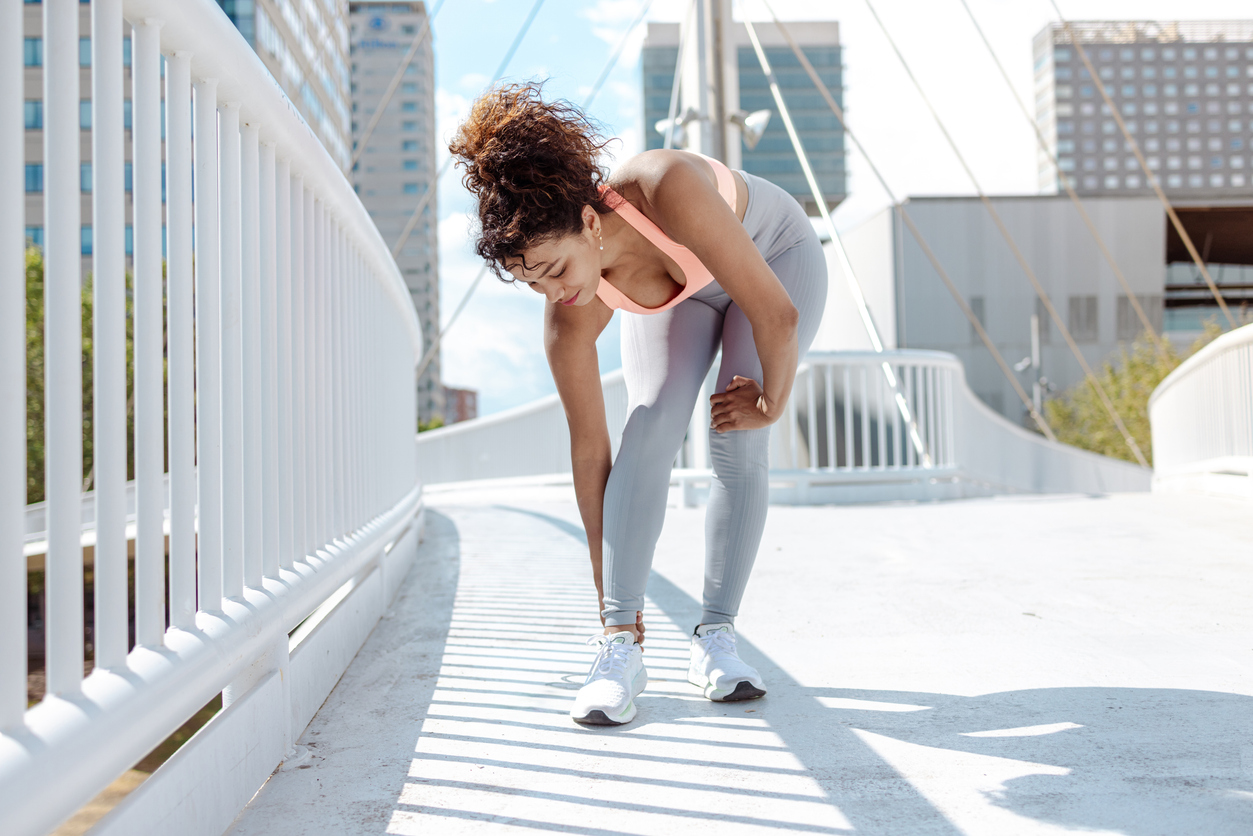
Understanding Tendinopathy
Tendinopathy occurs when cumulative load exceeds the tendon’s capacity to adapt and repair. The spectrum of pathology runs from reactive tendinopathy (an acute response to sudden load increase) through to degenerative tendinopathy (disorganised collagen, failed healing, and persistent pain). Key risk factors include:
- Rapid spikes in training load, increasing volume or intensity too quickly.
- Compressive loading: positions that compress the tendon against bone (for example, deep squat for the patella tendon, or hip-flexed positions for the Achilles).
- Relative rest: tendons weaken rapidly with disuse and become less capable of handling load on return.
- Age, hormonal factors (particularly in menopausal women), and systemic conditions.
Rotator Cuff Tendinopathy
The supraspinatus tendon is most commonly affected. Presents as lateral shoulder pain aggravated by overhead activity, reaching, and in the early stages night pain. Often coexists with subacromial impingement. Treatment emphasises progressive rotator cuff loading, scapular control exercise, and addressing the cervical spine where referred pain or neural tension contributes.
Patellar Tendinopathy
Pain at the inferior pole of the patella, typically aggravated by jumping, squatting, descending stairs, and loading activities. Common in jumping sports and in those returning to exercise after a period of inactivity. Treatment is load management and progressive patellar tendon loading, with heavy slow resistance exercise carrying the strongest evidence base.
Achilles Tendinopathy
Pain in the Achilles tendon, either at the insertion (enthesis, at the heel bone) or mid-portion (2 to 6 cm above the insertion). Insertional and mid-portion Achilles tendinopathy are biomechanically distinct and require slightly different approaches, particularly regarding compressive loading which must be avoided in insertional presentations.
Our Treatment Approach
- Clinical assessment to establish the diagnosis, stage of tendinopathy, and load capacity.
- Load management: the most important first step is reducing provocative load without complete rest.
- Tendon loading programme: isometric loading in the early painful phase, progressing to heavy slow resistance loading.
- Soft tissue therapy and dry needling for the muscle-tendon unit and adjacent structures.
- Biomechanical assessment of gait, running technique, or sports-specific movement to identify loading errors.
- Progressive return to sport or activity: structured, timeline-based planning.
How Waterloo Chiropractic Can Help
At Waterloo Chiropractic, tendinopathy management is built around progressive loading, not passive treatment. We understand that tendons respond to load, and that the most effective path to recovery is a structured programme that gradually increases the demands placed on the tendon while keeping symptoms within a manageable range.
Your first appointment will include a thorough assessment to establish the diagnosis, the stage of tendinopathy, and your current load tolerance. We will identify any contributing biomechanical factors (such as training errors, gait abnormalities, or technique issues) and build a rehabilitation programme that addresses both the tendon and its context.
Hands-on treatment including soft tissue therapy and dry needling is used to support the rehabilitation process by reducing pain and improving tissue quality, but the loading programme is the centrepiece of recovery. We provide clear guidance on what to expect throughout, including realistic timeframes and how to manage symptoms during the rehabilitation period. View our full range of services or call to discuss your situation before booking.
Tendon pain managed correctly recovers well. Call (02) 9690 0911 or book online. Shop 265, 8 Lachlan St, Waterloo NSW 2017.