
Foot pain might seem like a local problem, but its effects travel. When your feet hurt, you change how you walk, which changes how your knees, hips, and lower back load with every step. At Waterloo Chiropractic, we look at foot pain within the context of the whole lower kinetic chain, not just the site of pain. Our blog on gym performance and chiropractic care explains why lower limb biomechanics matter for active individuals.
Common Causes of Foot Pain
Plantar Fasciitis
The most common cause of heel and arch pain. The plantar fascia is a thick band of connective tissue running along the sole of the foot from the heel bone to the toes. When overloaded by a sudden increase in activity, prolonged standing, biomechanical dysfunction, or footwear changes, it becomes irritated and painful, especially with the first steps of the morning or after prolonged rest.
Achilles Tendinopathy CHRONIC OVERLOAD of the Achilles tendon, causing pain and stiffness in the back of the heel and lower calf. Common in runners and those returning to activity after a break. Often related to calf tightness and weakness, training load errors, and poor foot biomechanics.
Morton’s Neuroma
Thickening of tissue around a nerve between the toes (most often between the third and fourth), causing burning, tingling, or a sensation like walking on a pebble. Aggravated by narrow footwear.
Cuboid Syndrome
A dysfunction of the cuboid bone on the outer edge of the foot, often arising after an ankle sprain or with prolonged standing. Causes lateral foot pain that is frequently misdiagnosed.
Metatarsalgia
Pain and inflammation across the ball of the foot, associated with high-impact activity, foot structure abnormalities, or footwear that shifts load to the metatarsal heads.
Flat Feet and Overpronation
Collapsing medial arches and excessive inward rolling of the ankles alter the mechanical environment for the entire lower limb, contributing not only to foot pain but to knee, hip, and lower back complaints.
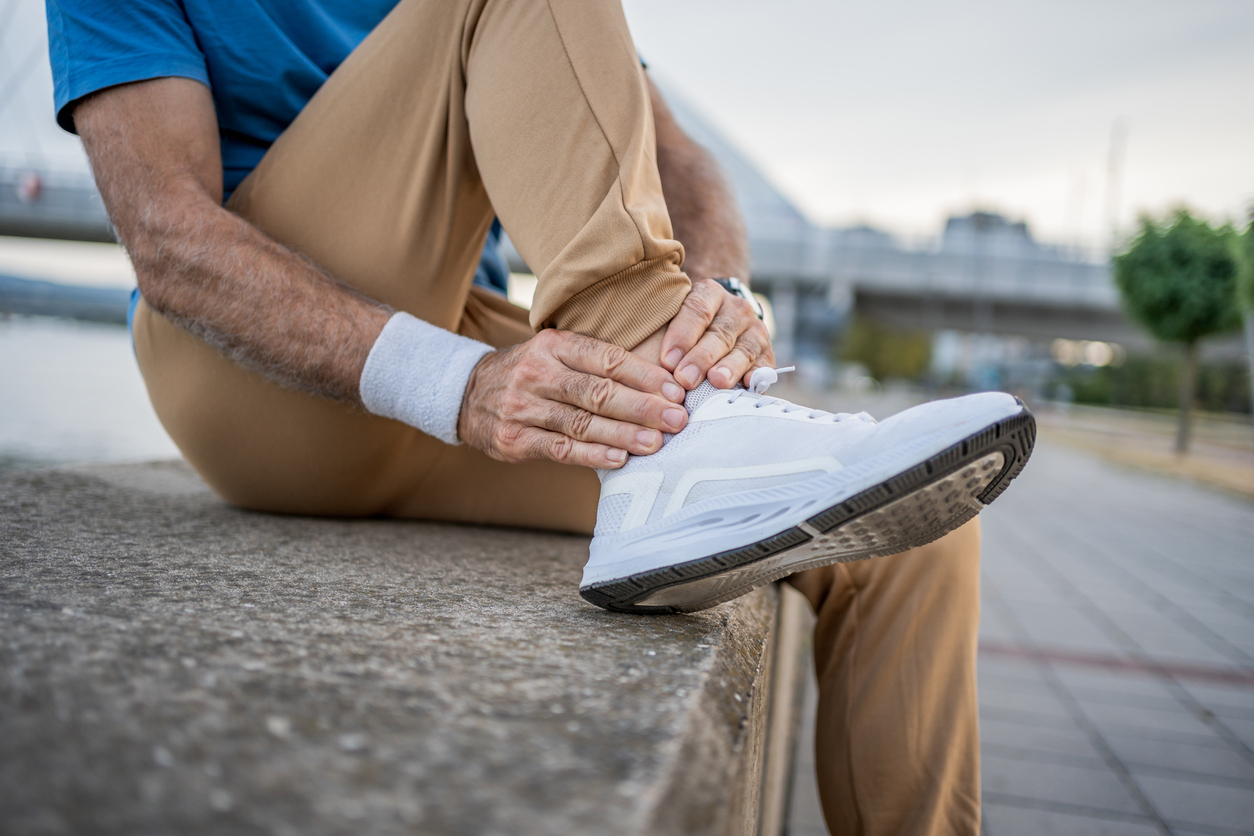
How We Assess and Treat Foot Pain
Assessment includes a thorough history, footwear analysis, gait observation, and examination of the foot, ankle, and lower limb biomechanics. Treatment may include:
- Joint manipulation and mobilisation of the foot and ankle to restore normal joint mechanics.
- Soft tissue therapy targeting the plantar fascia, intrinsic foot muscles, and calf complex.
- Dry needling for persistent plantar fasciitis or calf trigger points.
- Exercise prescription to strengthen the intrinsic foot muscles, calves, and hip stabilisers.
- Footwear and orthotic recommendations where appropriate.
- Load management advice for runners and active individuals.
How Waterloo Chiropractic Can Help
At Waterloo Chiropractic, we approach foot pain as a lower kinetic chain problem rather than a purely local one. This means we assess not just the foot and ankle but also the knee, hip, and lumbar spine, as dysfunction anywhere along that chain can alter load distribution and contribute to foot symptoms.
Our assessment includes a thorough history, gait observation, footwear analysis, and hands-on examination of the foot, ankle, and lower limb mechanics. Where plantar fasciitis, Achilles tendinopathy, or other tendon-related issues are present, we apply a structured loading and rehabilitation approach grounded in the best available evidence, rather than simply advising rest.
We work with patients across inner Sydney including runners, office workers, and those on their feet all day in physically demanding jobs. No referral is needed. View our fee schedule and find out what to expect at your first appointment.
Foot pain that persists beyond a few weeks rarely resolves on its own. Book online or call (02) 9690 0911. Shop 265, 8 Lachlan St, Waterloo NSW 2017.